
Called Out
I got to play AdHoc Studios and Critical Role’s latest choose-your-own-adventure game, Dispatch. Although much more mature than most media I consume, I was hooked on it for weeks. Unfortunately, I must admit there was one area of the game I was disappointed in: the writing.
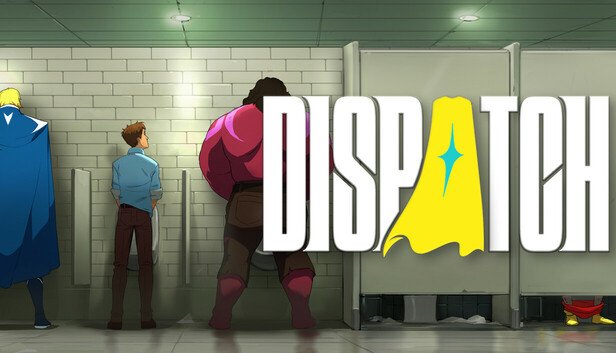
Now, before you storm away from the blog, let me be clear: I am in no way criticizing the narrative. The story of Dispatch was phenomenal. You play as Robert, a former superhero working at a hero-dispatch service while waiting to get back into the action. He’s put in charge of a team of former super villains trying to redeem themselves in less-than-spectacular fashion. The characters are unique, the plot twists were superb, and every choice you made felt like it mattered.
So then, why would I say that the writing was disappointing? Well, it wasn’t the narrative writing I had a problem with; it was the dialogue.
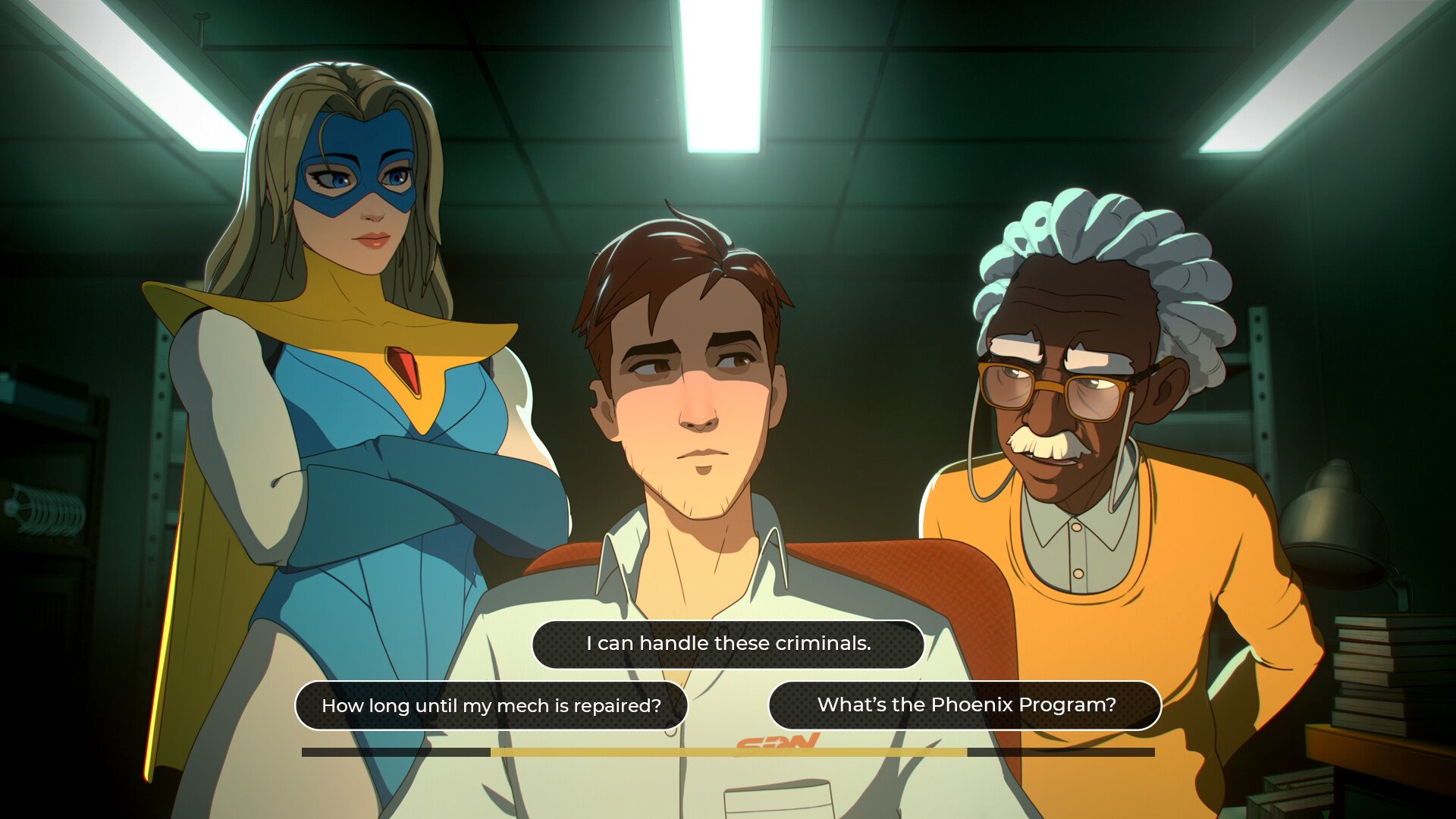
It was more than just graphic imagery that was considered “mature content” in this game. By far, the language was the most adult. Everything from expletives to curses to inuendoes came from every character’s mouth, and quite often. I’ve never heard anyone talk like that in real life, so it was very jarring to listen to.
Before starting the game, there were options to apply visual and audio censorship, which I chose to do since I was streaming my playthrough. The visual censor worked fine, but the audio censor beeped so much, I couldn’t understand what people were saying. I eventually got so annoyed that I turned the audio censor off and bore with the characters’ unfiltered dialogue.
Ironically, the overuse of mature language actually gave the feeling of immaturity. It reminded me of what I call “10-year-old on Call of Duty” syndrome. When kids see or hear something they think is cool, they repeatedly imitate it (teachers everywhere know all too well how much they say "6-7” nowadays). It’s part of their natural development. So, when kids playing games like Call of Duty hear one of the “cool adults” drop a slur or an F-bomb in chat, they try to be cool too and copy it, only they string them together incessantly.
In the same way, the dialogue in Dispatch felt immature due to the amount of obscene language. The story was set in an office, a professional workplace. Several characters even commented on excusing themselves from “clear HR violations” while spouting what my wife calls Locker Room Talk ten seconds later. Clearly, they skipped on the verbal component of Harassment Prevention training.

Now, those of you who’ve read my books are probably wondering, “Tim, if you’ve got such an issue with profanity, how do you explain Alice?”
For those who haven’t read my books yet, Alice Hart is one of the main characters in the Fable’s Folklore series. She has an odd fixation of self-censoring her words with what she calls “creative cursing.” Her friends tell her that it’s just a Band-Aid solution, but she doesn’t take their comments seriously until The Author’s Pen, when mounting frustration causes an uncensored slip.
I developed Alice’s character during a time when I was very anti-cursing. I worked with elementary students, so I had to be mindful. Presently, I still am, just not to the same rigid degree. I understand that we’re not perfect, and certain feelings cannot be properly expressed with a simple “golly gee.” It takes work not to use that kind of language.
I’ve grown as an author since publishing The Book of Origins. I understand that some of my characters are going to make choices that I myself would never make. Alice needed to have that moment unfiltered to properly emphasize her need to change. Other characters will not seek redemption. Therefore, to portray them accurately, I may have to write dialogue counter to my own vernacular and preferences, in much more detail than I did with Alice.

However, it still stands that Dispatch swung too far in the opposite direction. In an attempt to be edgy and funny, the engaging story was nearly lost in incessant expletives. This decision mired an excellent story in a slurry of obscene slop.
My suggestion: Treat dialogue like cooking a dish. A curse word here and there is like adding some spice, just a little zing to make things pop. Add too much spice, and you ruin the entire dish.